
Studies which are Now Recruiting
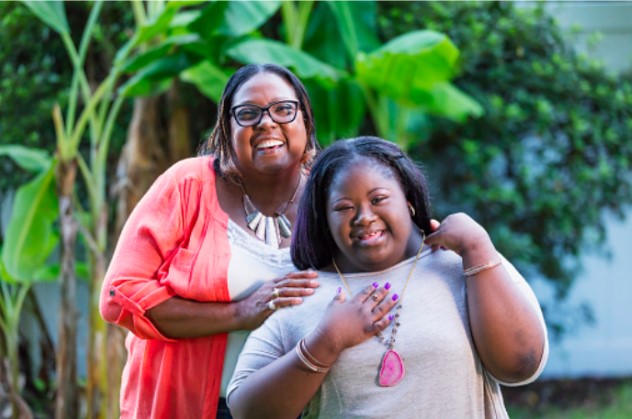
Eric Rubenstein, PhD, ScM
Virtual
18 years and older
This virtual study aims to improve Medicaid services for individuals with developmental disabilities by gathering more data on pregnancy experiences, outcomes, and quality of medical services from adult women with intellectual and developmental disabilities.

Caroline Richter, PhD
Online
12 to 30 years old
This study aims to improve sleep and quality of life in 12 to 30 year olds with Down syndrome who experience
sleep problems.

Caroline Richter, PhD
Online
6 to 21 years old
This online study examines how memory and self-control, relate to activities of daily living and behavior in youth 6 to 21 years old with intellectual disability.
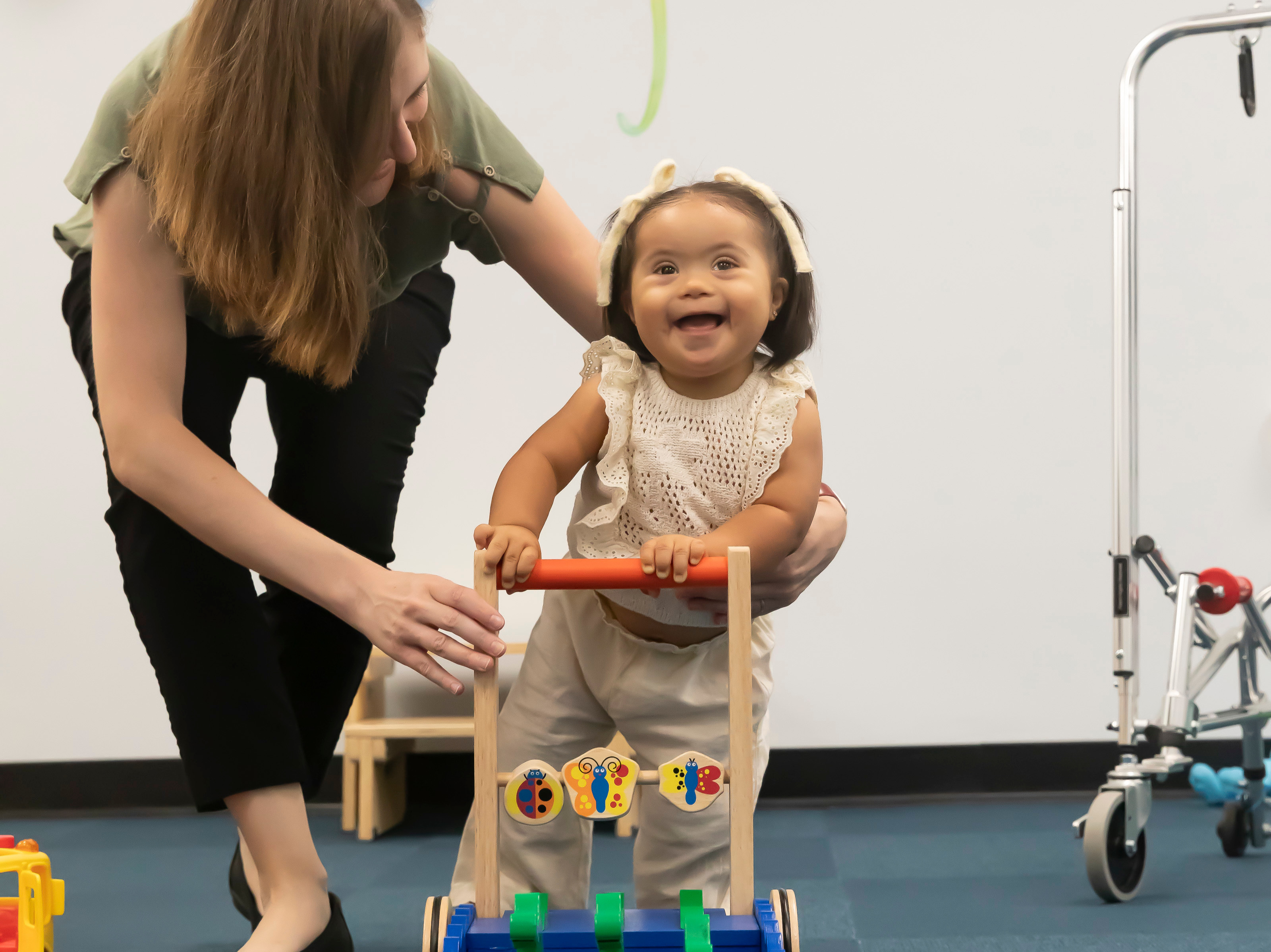
Kari Kretch, PT, DPT, PhD
Los Angeles, CA
13 to 40 months
This study aims to collect step counts in infants and toddlers with Down syndrome who are learning to walk.
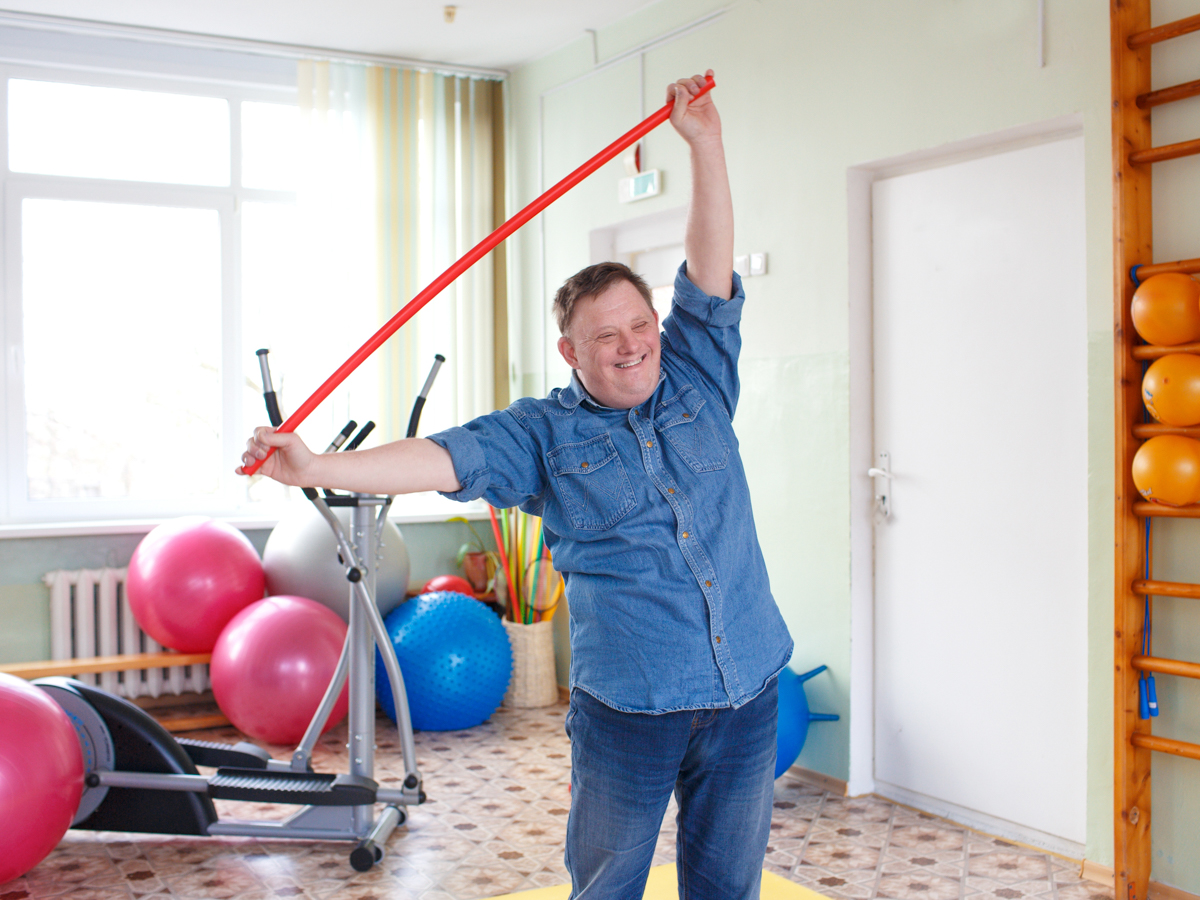
Amy Bodde, PhD, MPH
Virtual
35 or older
This study aims to help us learn how a supportive caregiver training class and virtual group exercise classes can help older people with Down syndrome and their caregivers as they engage in physical activity.

Shalender Bhasin, MB, BS
Boston, MA
18 years and older
The Brain Health Research for Adults with Down Syndrome study is a phase 1 clinical trial that will evaluate the safety and tolerability of a study drug, nicotinamide mononucleotide (NMN), given at different doses in adults with Down syndrome.
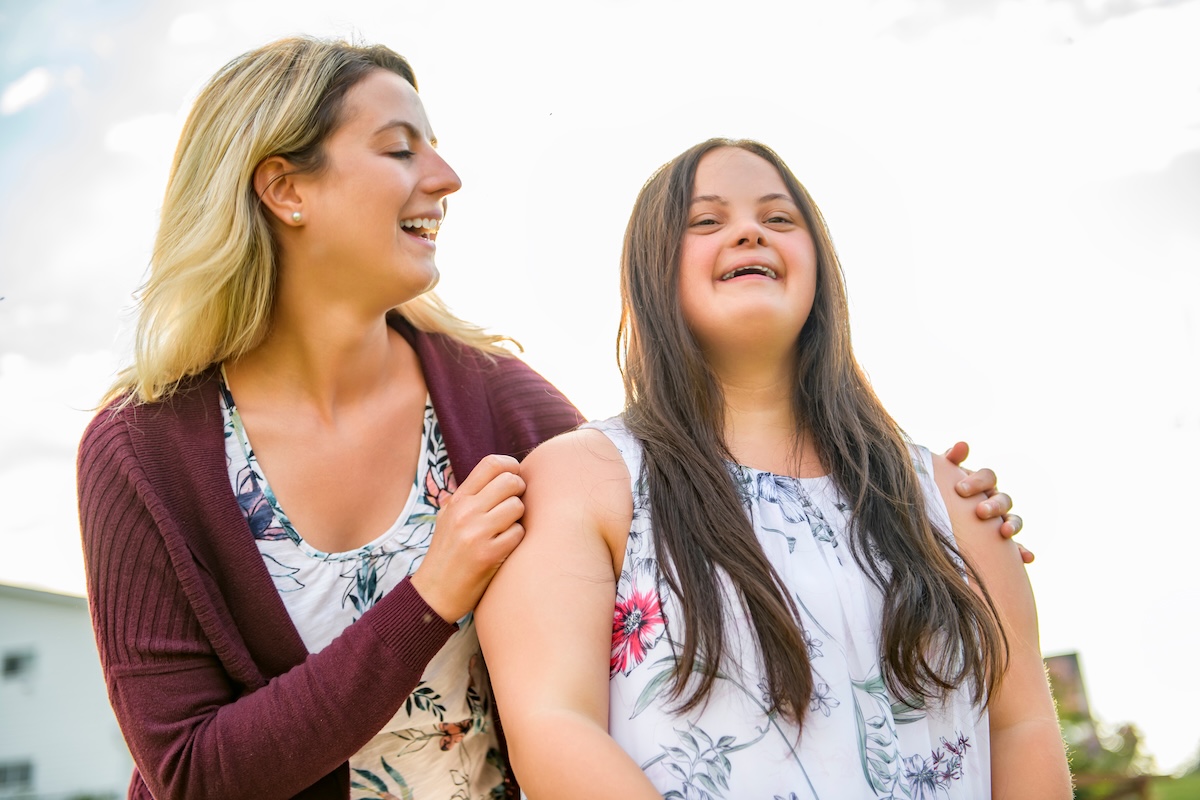
Milton Yoon and Sigan Hartley, PhD
Virtual
18 years and older
The Sibling Relationship Quality and Perspectives in Down Syndrome study aims to better understand relationships between adults with Down syndrome and their siblings.
Luciana Mascarenhas Fonseca, PhD
New Brunswick, NJ
20 years and older
The Brain Health and Aging in Down Syndrome (New Jersey Down Syndrome Aging Study) study aims to better understand healthy aging and resilience to Alzheimer's disease in adults with Down syndrome.
Ruth Brown, PhD
Virtual
10 to 30 years old
This survey aims to give researchers the tools to develop a new way of measuring changes in adaptive behavior in adolescents and adults with Down syndrome.