
Studies which are Now Recruiting
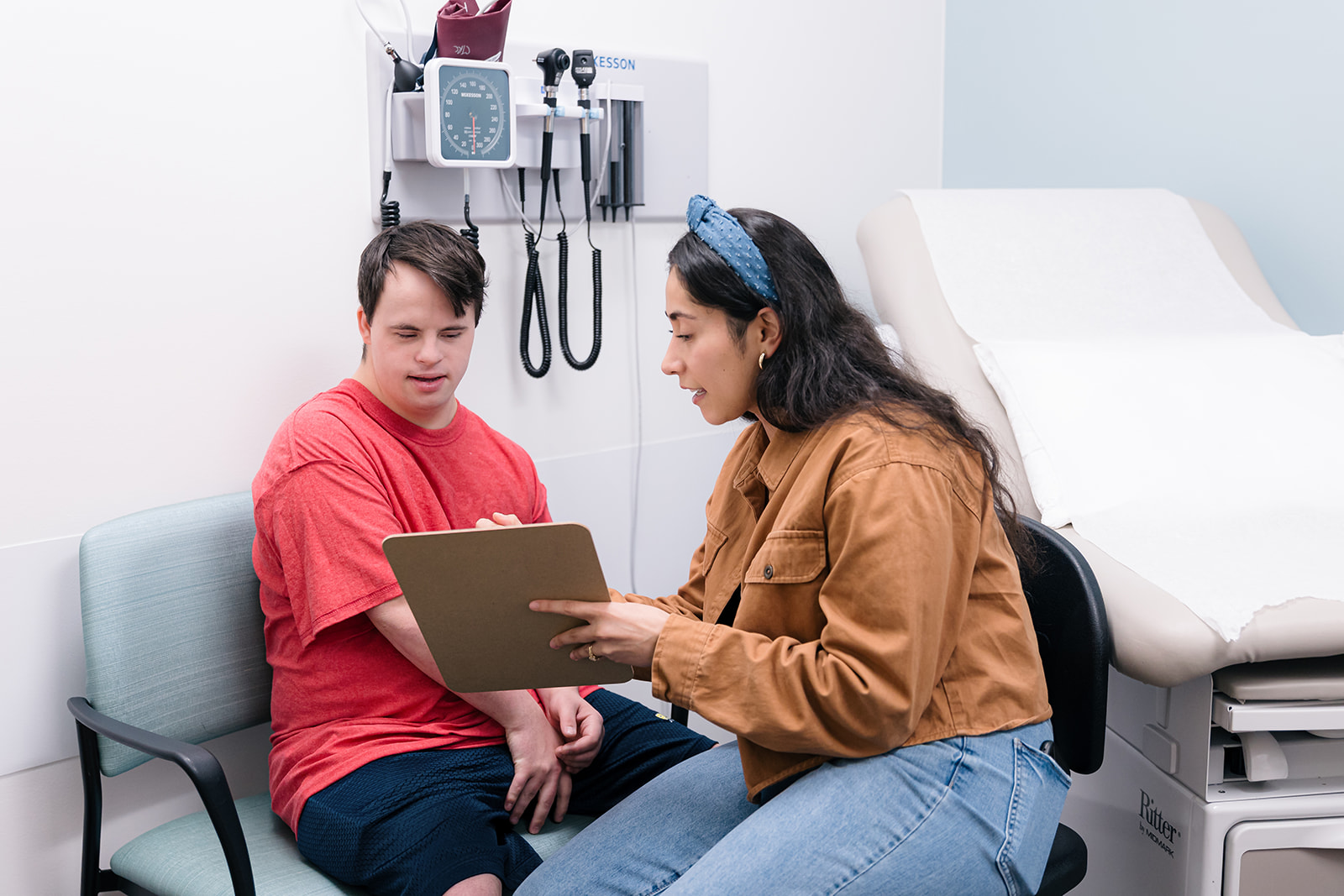
Jessica Solomon Sanders, MD
United States
18 years or older
The purpose of this study is to understand how doctors, patients with Down syndrome, and their supporters talk to each other during clinic visits.
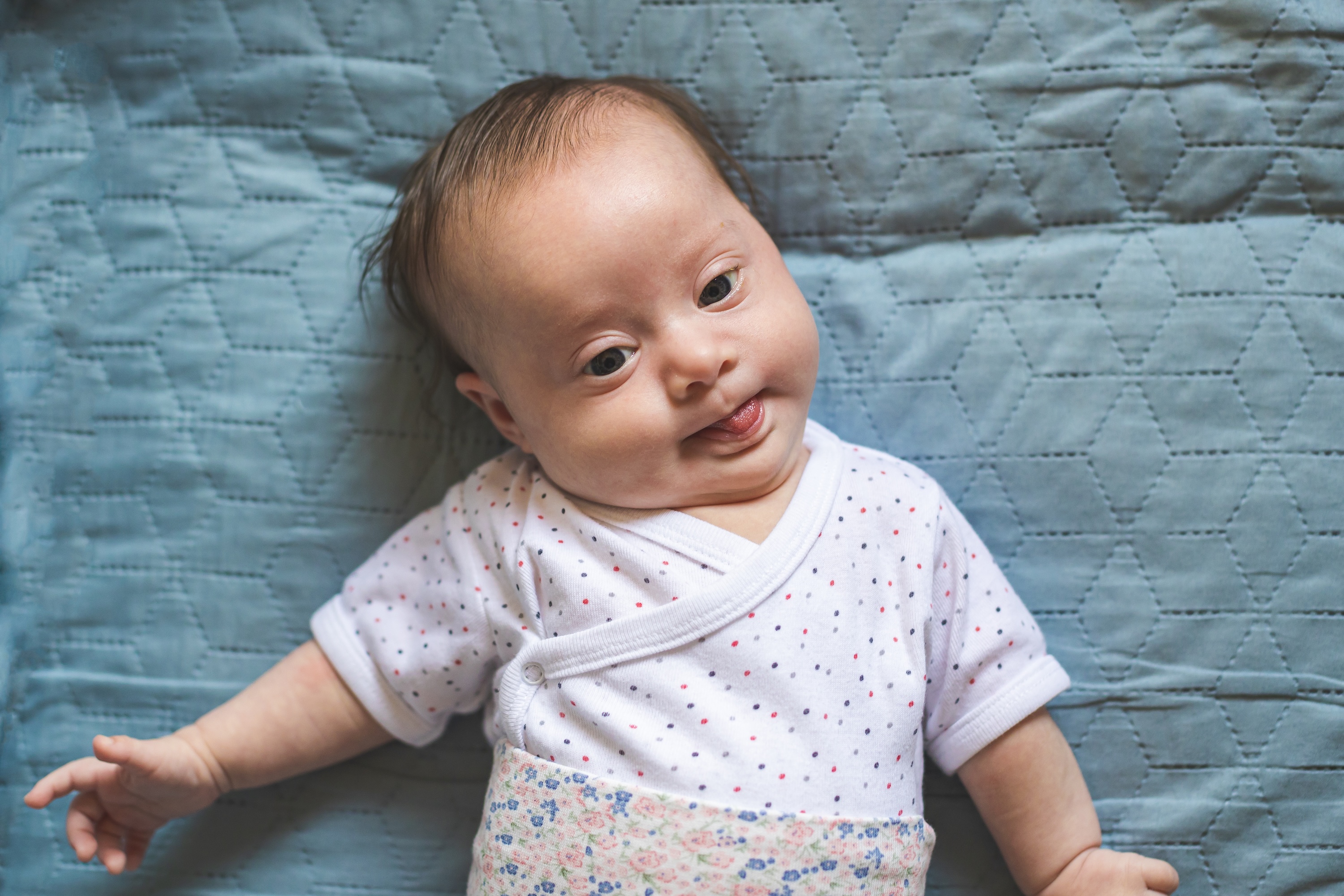
Christina Briscoe Abath MD, EdM
Virtual in the United States
18 years or older
This research study aims to understand whether families of individuals with Down syndrome have received education from healthcare providers about the risk of infantile spasms and to identify if there are geographic or demographic differences in who receives this information.
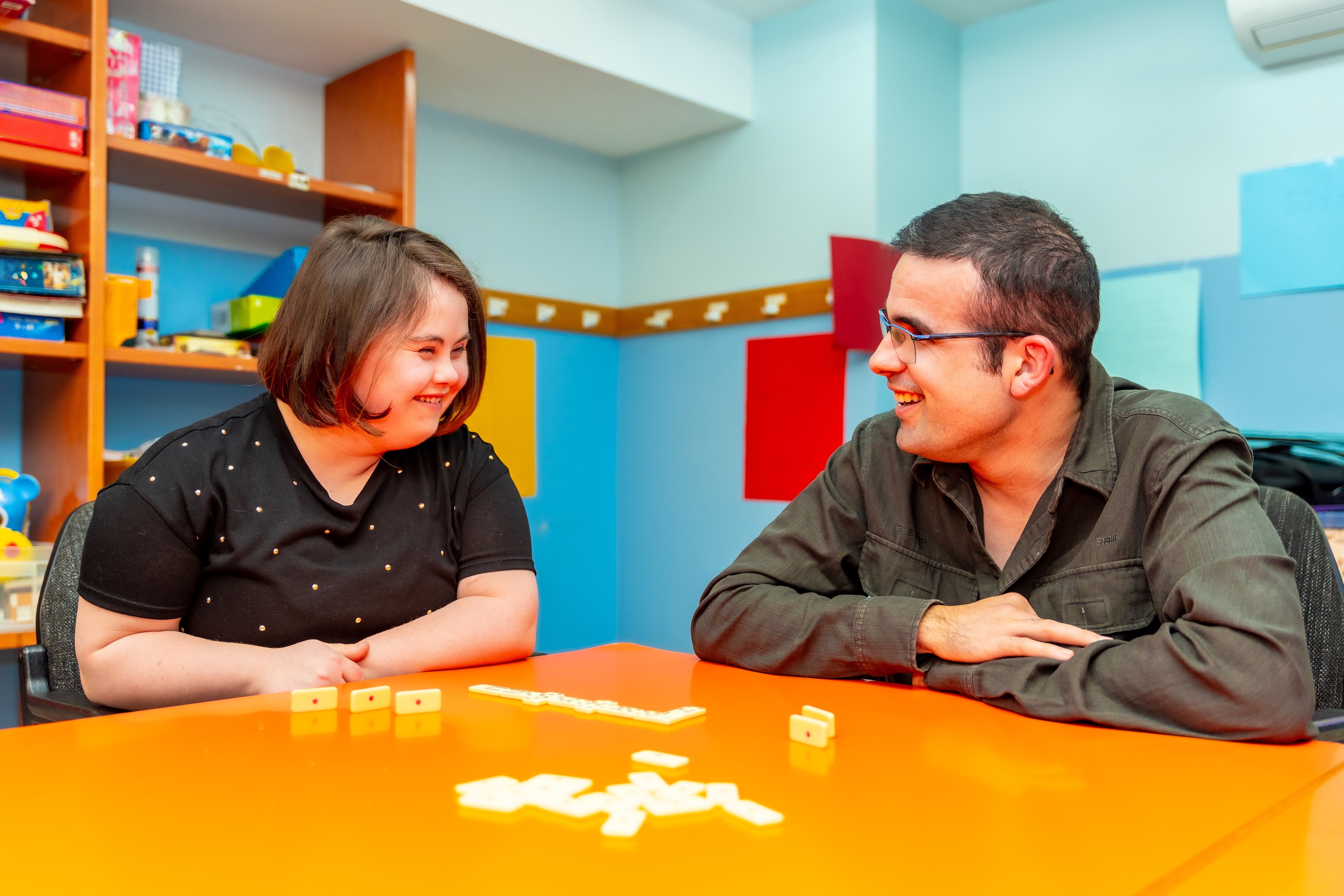
Yingying Yang, PhD
Montclair, New Jersey
35 to 50 years old
Adults with Down syndrome will play games and do simple activities on the computer, on paper, and with board games. These activities help researchers learn how people think and solve problems. Parents or caregivers will answer questions about everyday skills, like memory and daily routines.

Lauren Ptomey, PhD, RD
Kansas City, KS
18 to 64 years old
The Brain Outcomes and Lifestyle in Down syndrome (BOLD) study aims to understand how dietary changes and weight impact the risk of Alzheimer's disease in adults with Down syndrome.
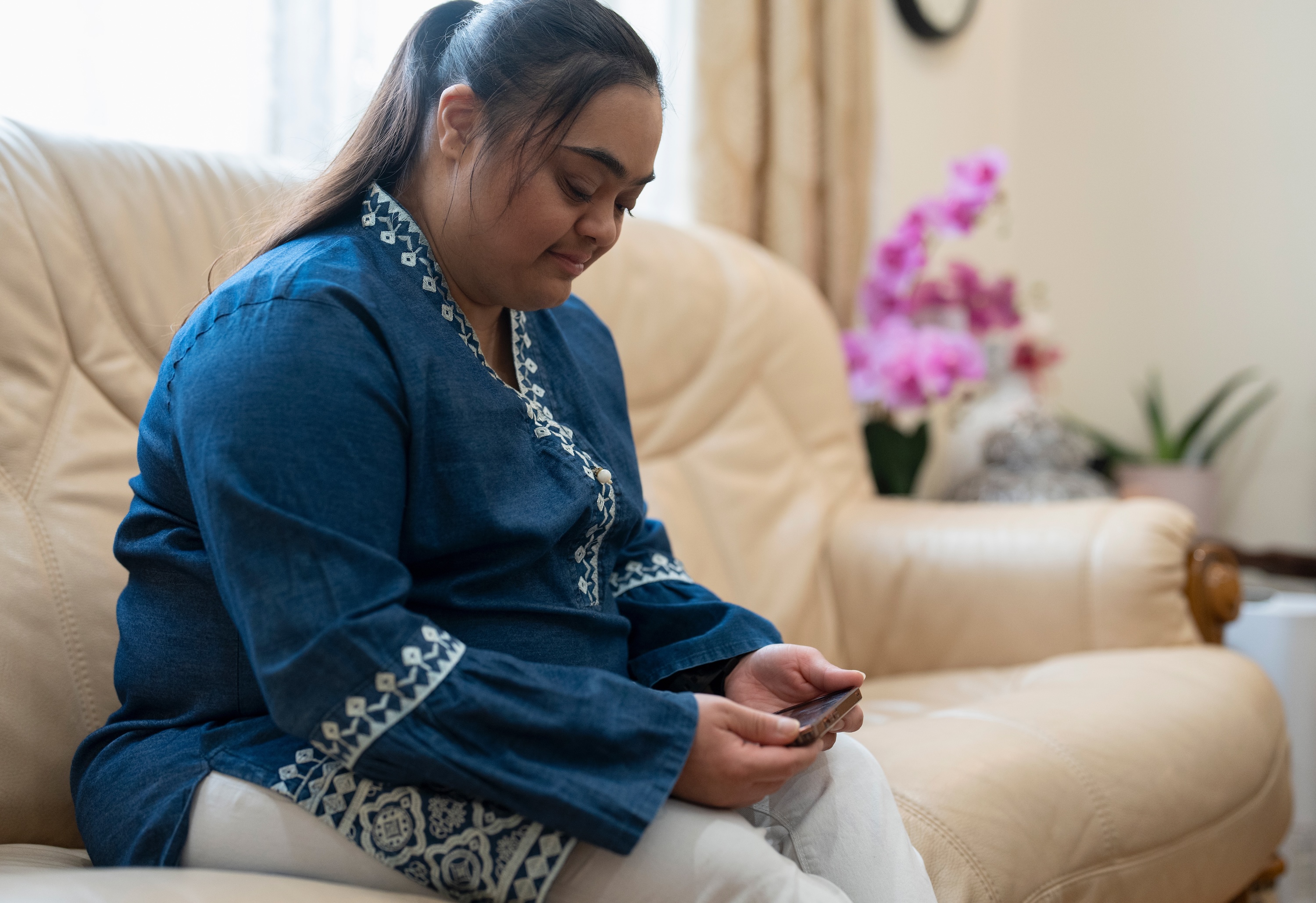
Willi Horner-Johnson, PhD
Virtual
18 to 50 years old
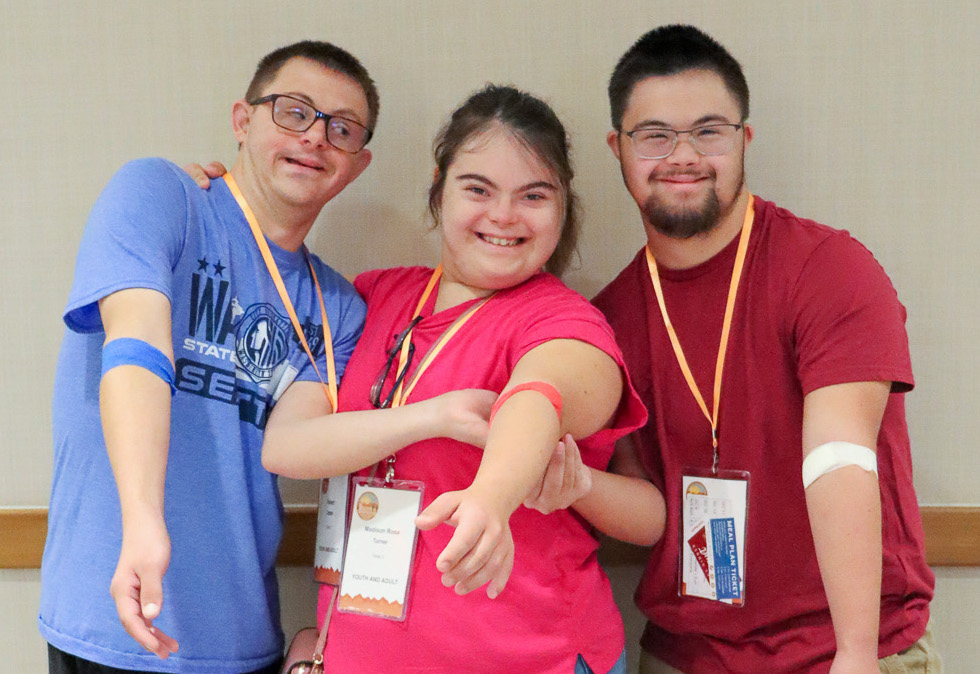
The Pregnancy Decisions App Project is looking for adults with developmental disabilities to take a survey
for their research project about pregnancy and disabilities.
Joaquín Espinosa, PhD
Denver, CO
6 months to 89 years old
This project will significantly increase the speed of Down syndrome research and the understanding of associated medical conditions such as leukemia and Alzheimer's disease.

Aaron Dallman, PhD and Shristi Rawal, PhD
Newark, NJ or Virtual
14 years old and up
The purpose of the research study is to create a fun, easy-to-use mobile app to support healthy habits in teens and young adults with Down syndrome.
Emma Guttman, MD, PhD and Dusan Bogunovic, PhD
New York, NY
12 years and older
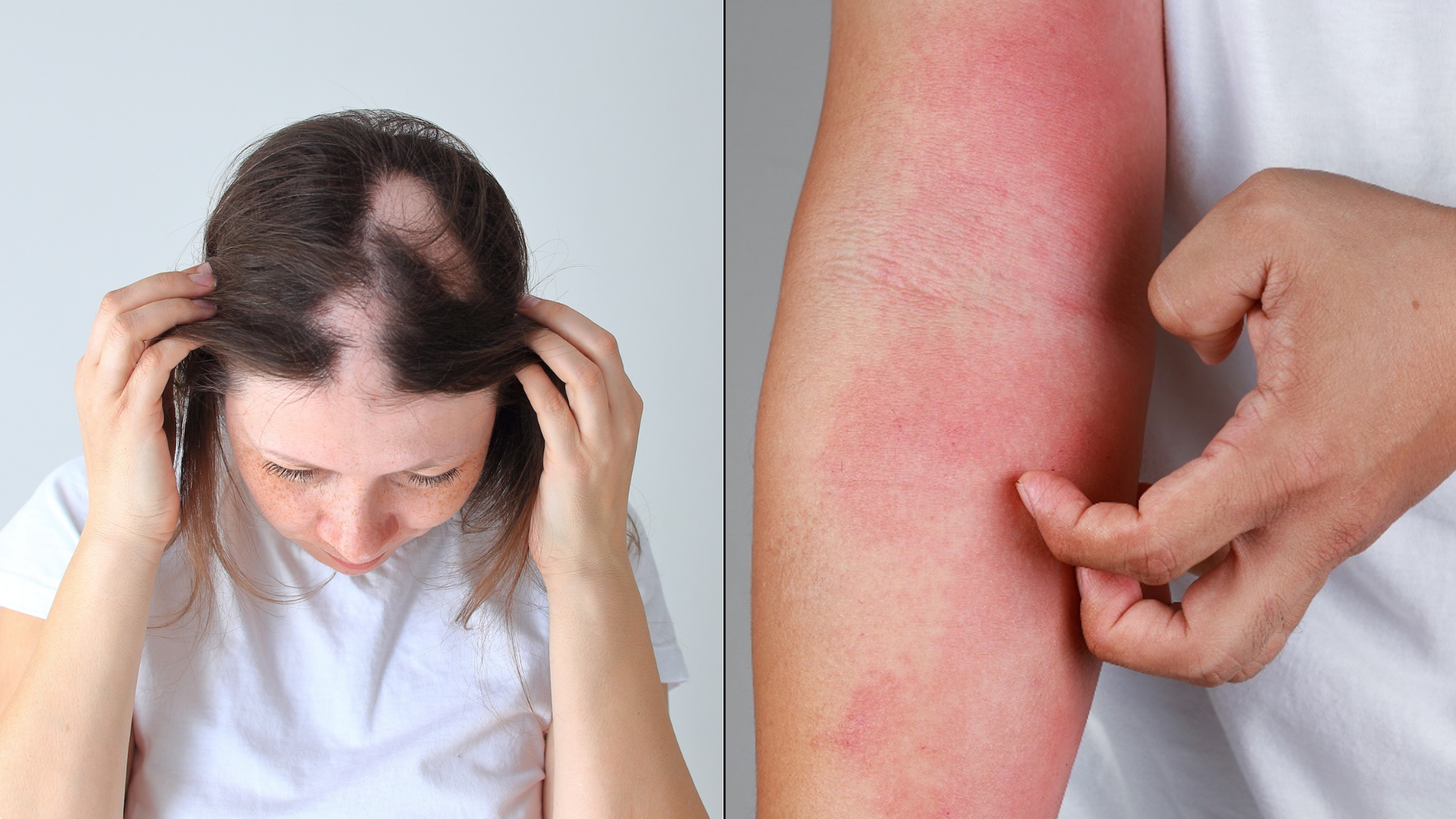
This study is testing whether a medicine called abrocitinib can help people 12 years and older with Down syndrome treat alopecia areata (hairloss) and symptoms of atopic dermatitis (eczema).
Sandra Vanegas, PhD
Texas
6 to 30 months old
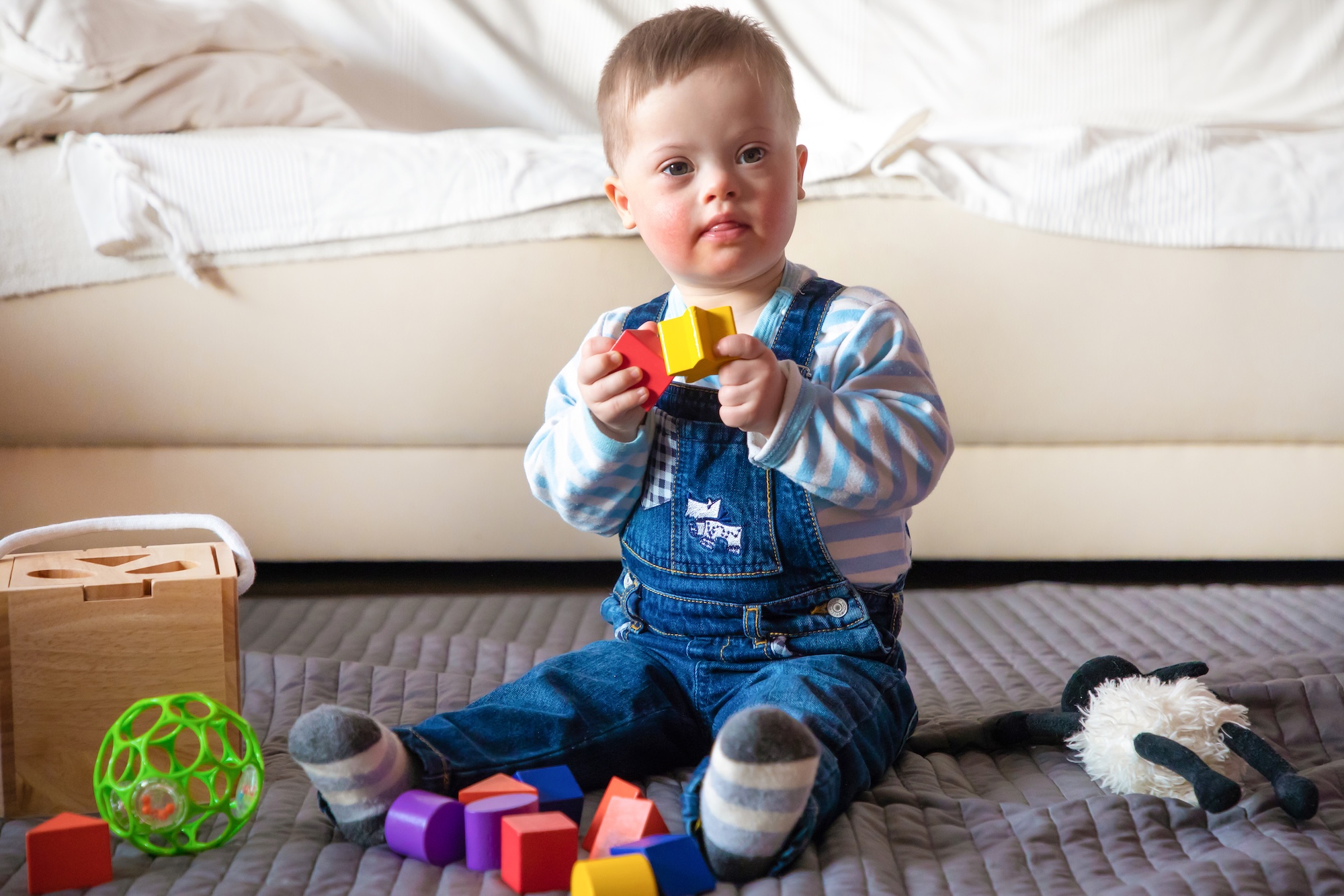
The team is interested in studying the early development of language and motor skills in children with and without Down Syndrome.